


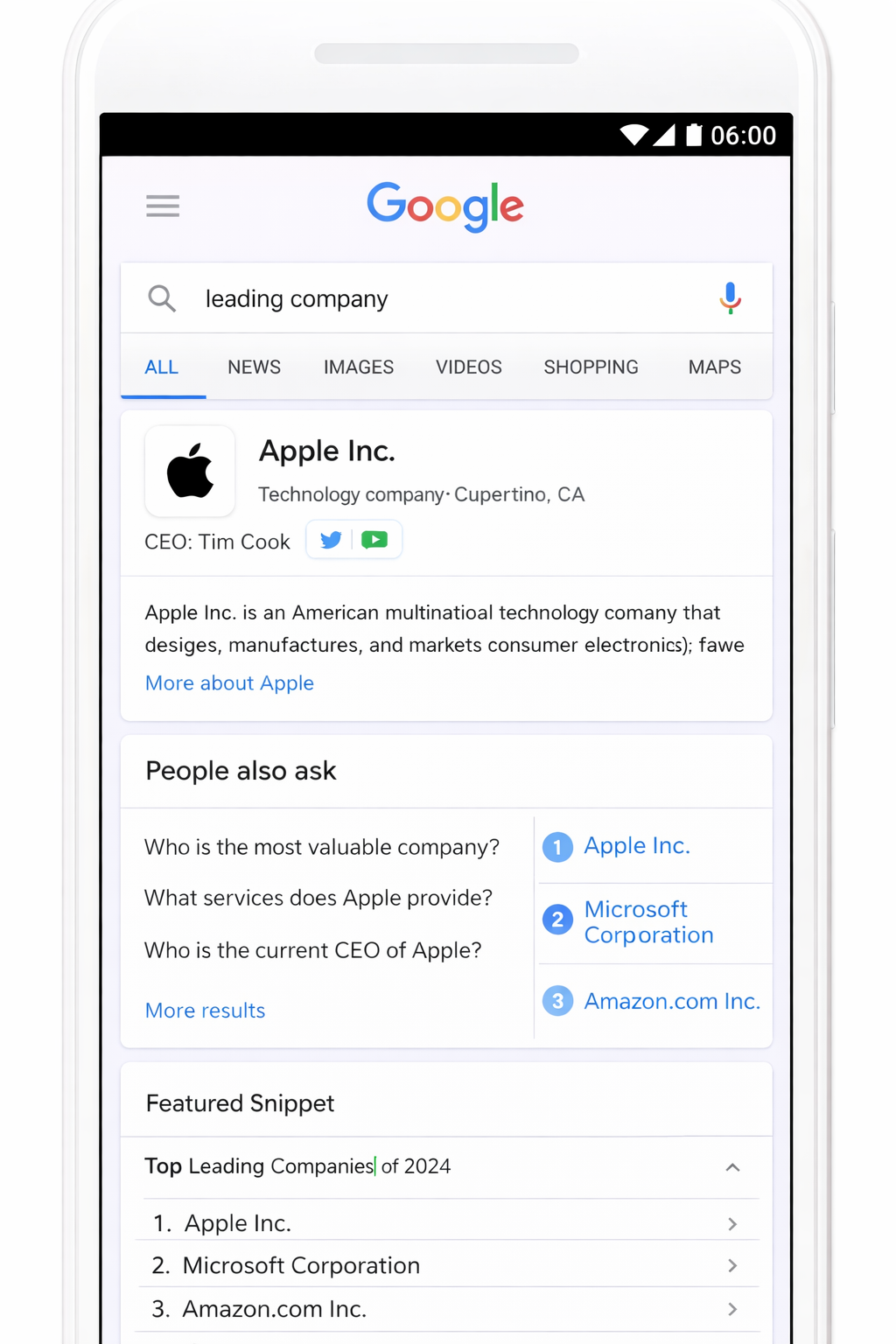

The Shift Toward Instant Information
Search engines are no longer just gateways to websites, they have become answer engines. Over the past few years, the way information is displayed on search engine results pages (SERPs) has changed dramatically. Instead of encouraging users to click through multiple links, search engines now prioritize quick, accurate, and instant information delivery.
We are living in an era of quick access, instant feedback, and real-time solutions. The days when users patiently read long paragraphs to extract meaning are fading. Today, success depends on how effectively information can be condensed, structured, and delivered in a short, informative format.
Modern users, especially younger generations, expect answers immediately and with minimal effort. Today, we are witnessing a major shift in search behavior; instead of typing complex queries and browsing multiple websites, users are increasingly moving toward accessing ready-to-consume information directly on the search results page. As a result, this evolution has given rise to one of the most significant SEO trends of recent years: Zero-Click Search.
Moving Toward Zero-Click Search
Traditionally, search engines functioned as referral platforms. Users would search for information, review multiple results, and then click on the website that appeared most relevant or appealing. In this model, higher rankings directly translated into more clicks, and consequently, more clicks were seen as the primary measure of success.
Today, that process has changed.
Search engines now display answers directly on the SERP, reducing the need for users to click on a website. Whether it’s a definition, a company overview, a how-to step, or a local business location, users often get what they need without leaving the search engine page.
This behavior, where searches end without a click, is known as zero-click search. Rather than being a threat, zero-click search represents a new opportunity for brands to gain visibility, authority, and trust right where user attention is highest.
This blog provides a detailed guide on how to optimize content for zero-click search results and stay competitive in the evolving SEO landscape.
What Is Zero-Click Search?
Zero-click search occurs when the answer to a user’s query is displayed directly on the search engine results page, eliminating the need to click on any organic or paid result.
Key Zero-Click Search Features
Search engines use multiple SERP elements to deliver zero-click results:
- Featured Snippets
Short, direct answers displayed at the top of search results, often referred to as Position Zero.
- Knowledge Panels
Information boxes that appear on the right side (desktop) or top (mobile), providing authoritative details about brands, people, or organizations.
- People Also Ask (PAA)
Expandable question boxes that answer related queries directly on the SERP.
- Image Packs and Video Previews
Visual content that provides instant context or explanations without requiring a click.
- Maps and Local Packs
Local business information, directions, and reviews displayed directly in search results.
- FAQs on SERPs
Frequently asked questions displayed using structured data enable quick and effortless consumption of information. Together, these features allow users to access answers more quickly and efficiently, thereby reshaping how brands must approach and think about SEO.
Why Zero-Click Search Matters in 2026
By 2026, zero-click search will no longer be optional, it will be the dominant search experience.
From traditional text searches to voice assistants, and from long-form videos to 60-second short clips, information consumption has become faster, more visual, and more immediate. As a result, users now expect answers at a glance, rather than spending time scrolling through multiple pages.
Key Reasons Zero-Click Search Is Critical
- User behavior is changing: Speed and convenience matter more than ever
- Voice search depends on zero-click answers
- SERP real estate is shrinking, but visibility is expanding
- Brand authority is built through presence, not just traffic
While zero-click searches may reduce website visits, they significantly increase brand recognition, credibility, and trust. In many cases, users return later when they are ready to convert, already familiar with the brand they saw repeatedly in search results.
How to Optimize Content for Zero-Click Search Results
- Write Clear, Direct Answers
Search engines prefer concise responses that solve a problem immediately. Aim for:
- 40–60 words per answer
- Simple, conversational language
- One clear takeaway per paragraph
- Structure Content for Featured Snippets
Use:
- Question-based subheadings (H2/H3)
- Bullet points and numbered lists
- Step-by-step explanations
Well-structured content increases your chances of being selected for featured snippets.
- Optimize for People Also Ask (PAA)
Add FAQ sections that:
- Answer real user questions
- Use natural, conversational phrasing
- Align with long-tail and voice search queries
- Implement Schema Markup
Structured data helps search engines understand your content better. Use:
- FAQ schema
- How-To schema
- Organization schema
- Local Business schema
Schema doesn’t guarantee zero-click placement, but it significantly improves eligibility.
- Focus on Visual Content
Images and videos are powerful zero-click assets:
- Optimize image alt text and filenames
- Use short videos for explainer content
- Add charts, diagrams, and infographics
Visuals often appear in image packs and video previews.
- Optimize for Brand Entities
Zero-click search rewards strong brand identity:
- Clear About Us page
- Consistent brand name and messaging
- Presence on authoritative platforms (LinkedIn, directories, PR sites)
The stronger your entity signals, the higher your chances of appearing in knowledge panels.
- Refresh and Update Content Regularly
Search engines prioritize freshness:
- Update statistics and examples
- Re-optimize existing content for new queries
- Republish when content becomes outdated
- Track SERP Visibility, Not Just Clicks
Success metrics are evolving. Focus on:
- Featured snippet ownership
- Knowledge panel appearance
- Brand impressions
- SERP share of voice
Zero-click SEO is about being seen, not just being clicked.
Content Strategy Shift: From Traffic to Trust
Zero-click search forces marketers to rethink traditional SEO goals. Instead of optimizing only for clicks, brands must now optimize for visibility, authority, and memorability.
When users repeatedly see your brand answering their questions, even without clicking, you become the default trusted source.
Conclusion:
Zero-click search is not a threat, it is an evolution.
As search engines continue to prioritize instant answers, brands that adapt their content strategies will gain a competitive advantage. The focus is no longer just about driving traffic but about delivering value immediately, wherever the user is searching.
By optimizing for zero-click search results, businesses can not only increase SERP dominance but also build lasting brand authority. At the same time, they stay relevant in voice and AI-driven search experiences, and as a result, are better prepared for the future of search in 2026 and beyond.
Ultimately, the brands that win will be those that understand one simple truth: visibility creates trust, and trust drives sustainable growth.
I hope you find the above content helpful. For more such informative content, please visit MarketCode.